Biscuit Moulding and Printing Machine in Production Lines: The Art and Engineering of Product Shaping
In the confectionery industry, a brand’s identity is often recognized by the design and shape embossed on its biscuits. The stage where shapeless dough is transformed into pieces with precise dimensions, consistent weight, and intricate patterns is carried out by the Biscuit Moulding Machine or Biscuit Printing Machine. This equipment not only determines the visual appearance of the product but also directly affects baking quality, final weight, and factory profitability.
This comprehensive guide explores rotary moulders, dough printing mechanisms, and the standards governing these machines.
What Is a Biscuit Moulding Machine?
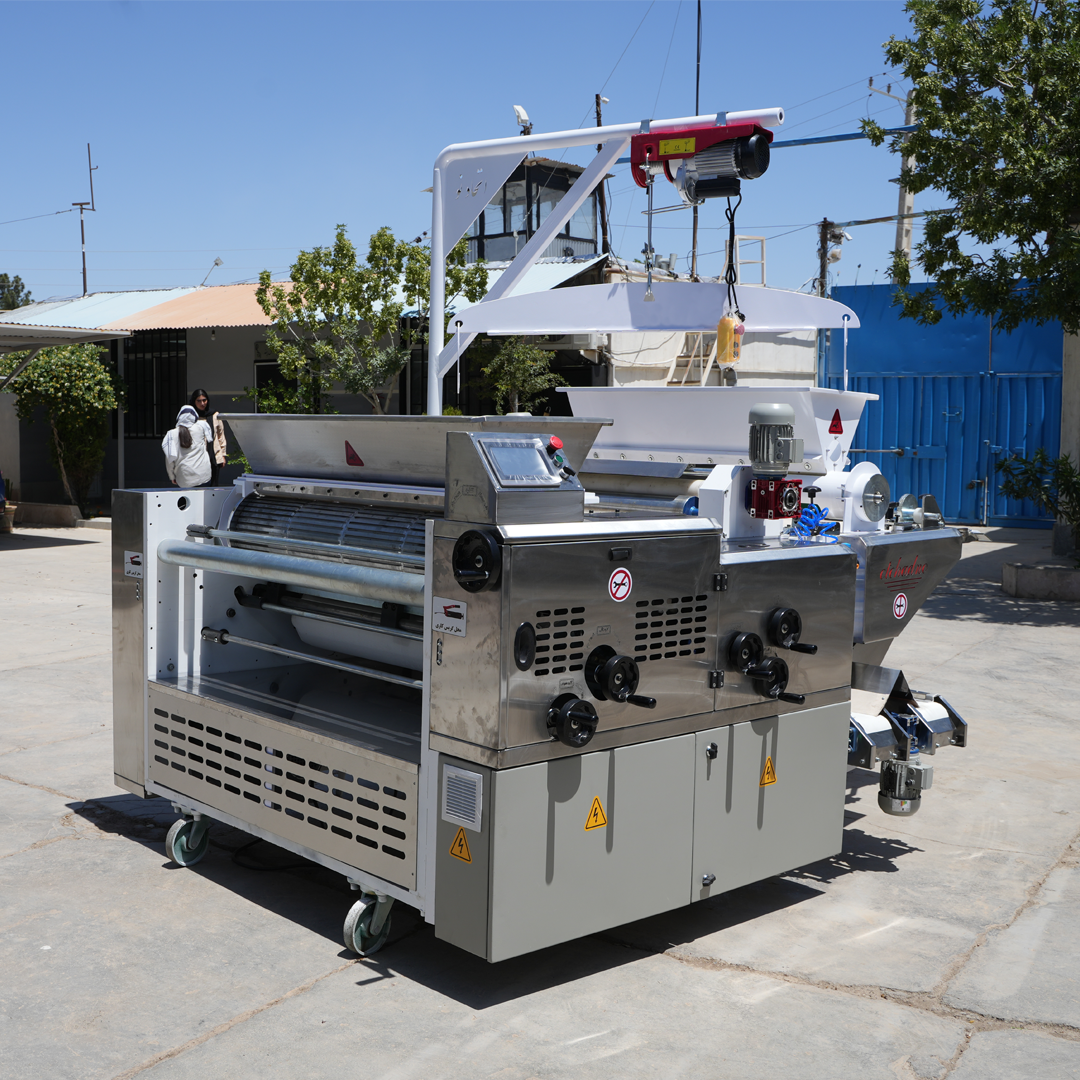
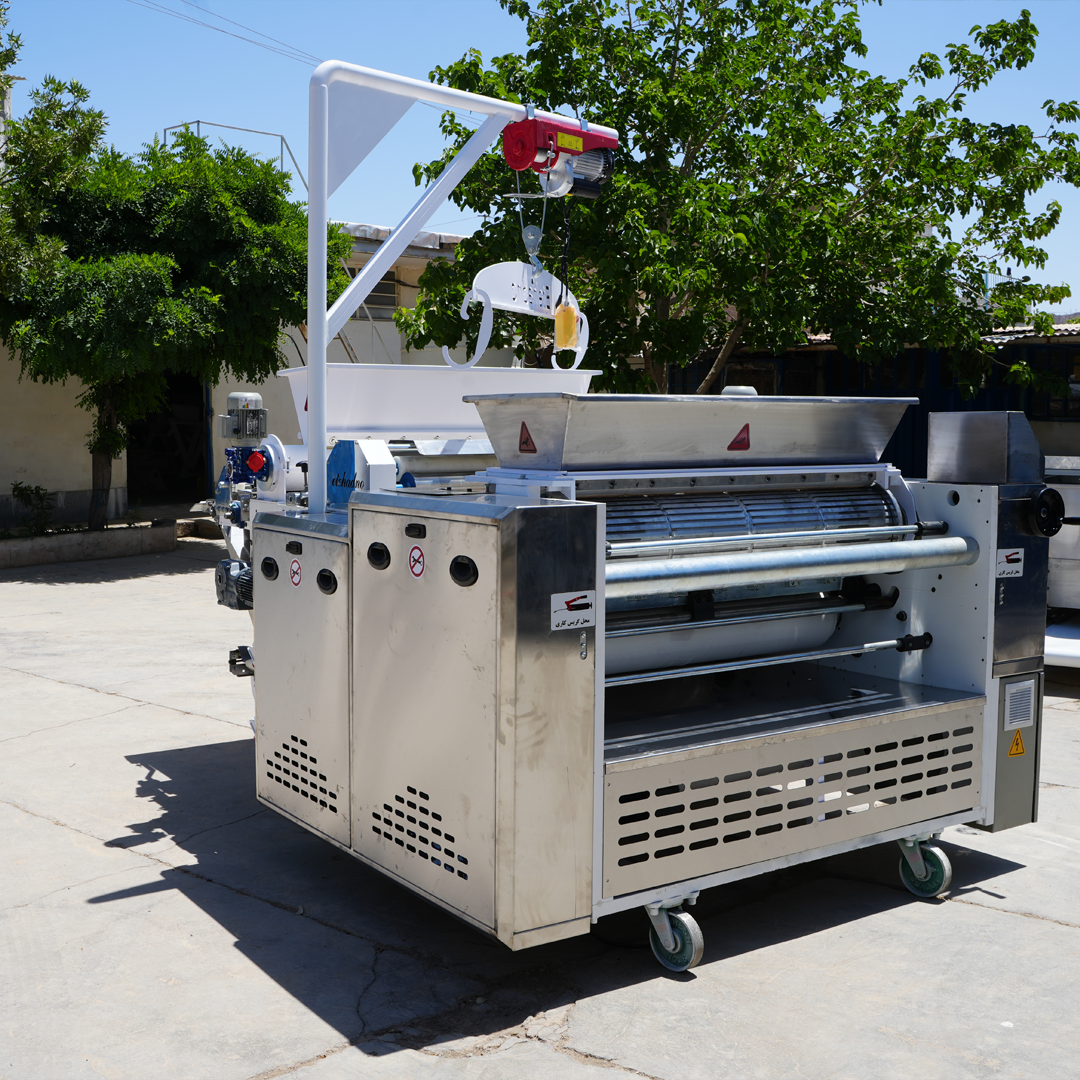
A biscuit moulding machine, commonly known as a Rotary Moulder, is designed for the production of soft biscuits. These biscuits contain higher levels of fat and sugar, making the dough more pliable and moldable, such as tea biscuits, petit beurre, and cookies.
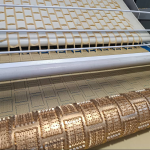
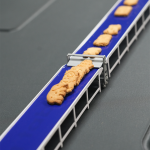
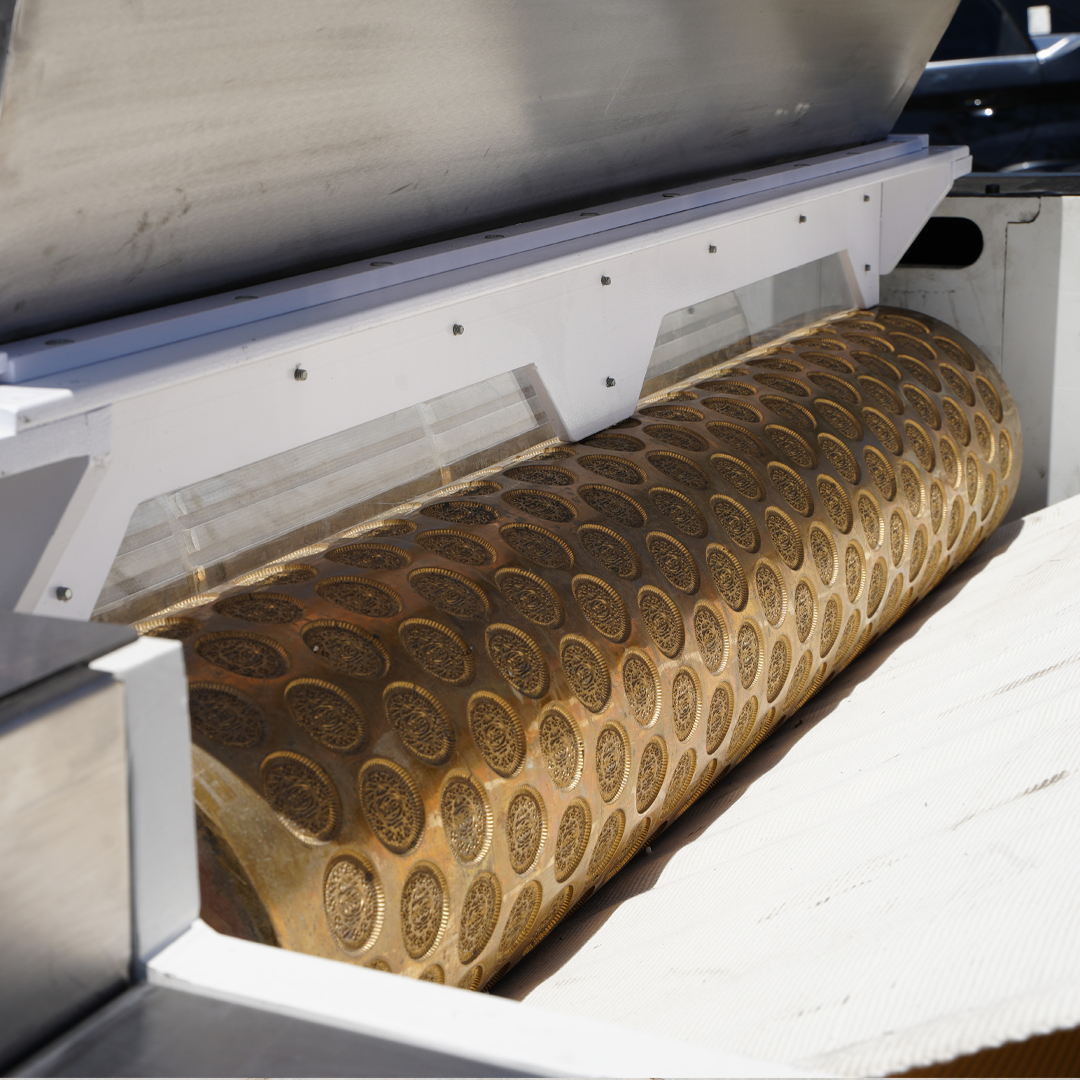
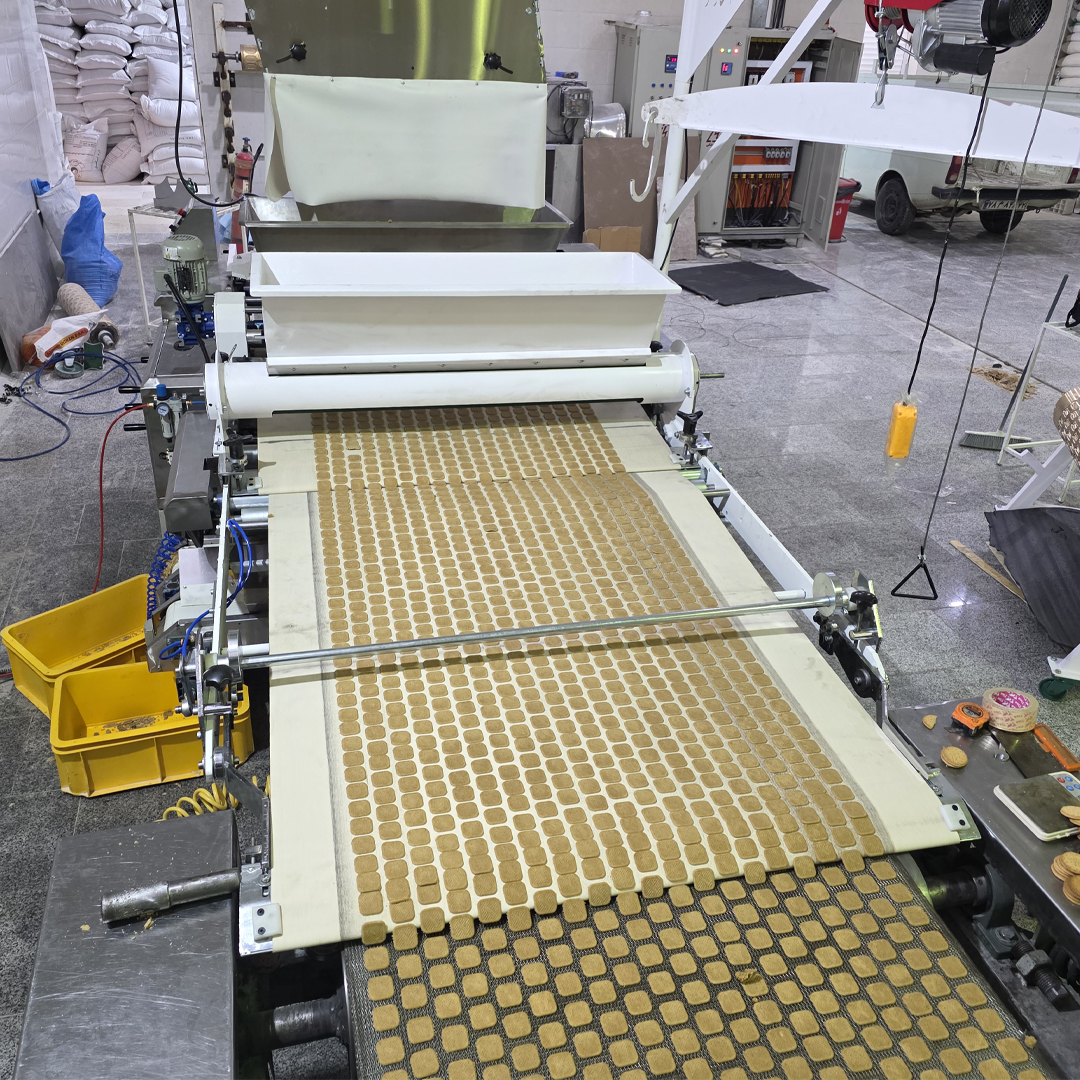
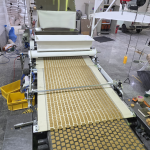
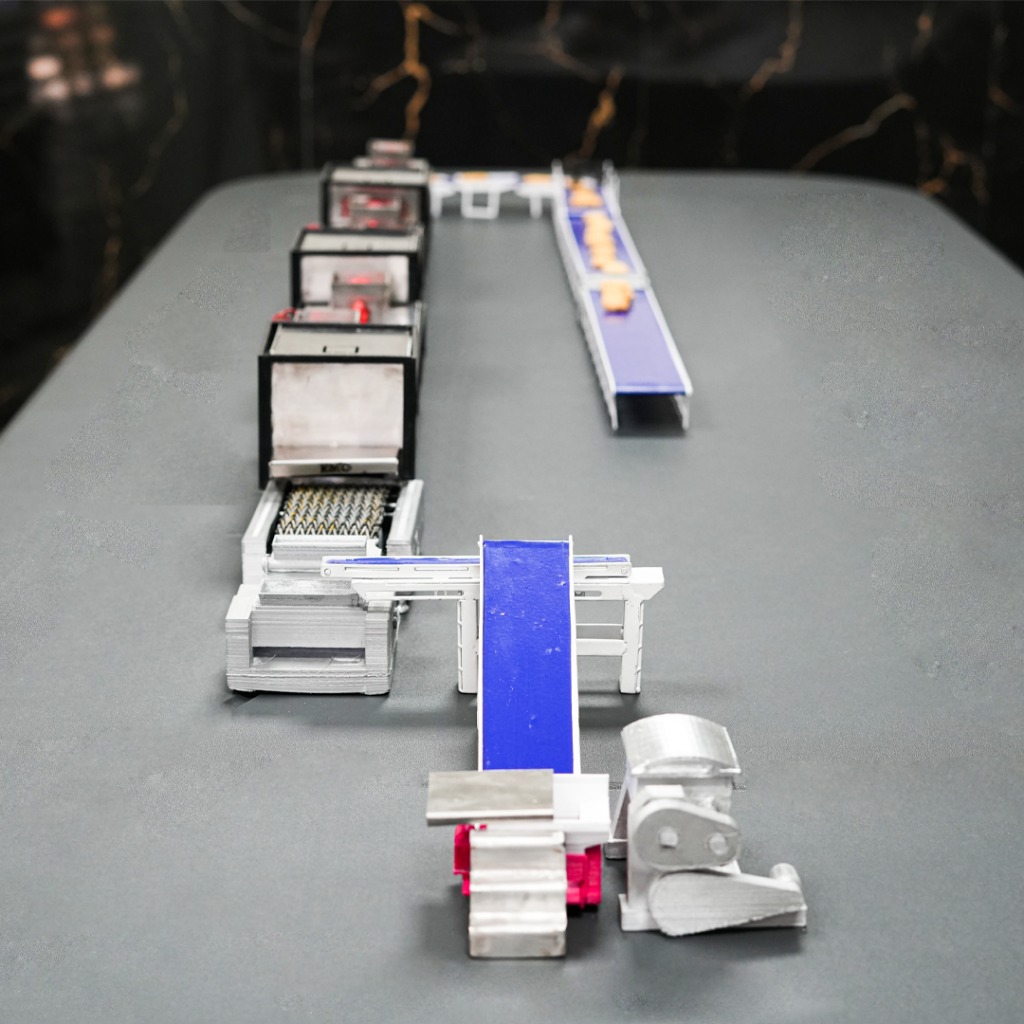
The machine presses dough into engraved cavities on a moulding roller and then transfers the formed pieces onto the oven conveyor belt.
Difference Between a Moulding Machine and a Cutting Machine
Many people confuse a moulding machine with a biscuit cutting machine. Understanding the difference is essential:
- Moulding Machine: Used for soft doughs. The dough is shaped directly inside mould cavities, generating virtually no scrap.
- Rotary Cutter: Used for hard biscuits such as crackers. The dough sheet is rolled out first and then cut into shapes, with excess dough recycled back into the production line.
Main Components of a Rotary Moulder
1. Feeding Roller
A grooved roller that transfers dough from the hopper and pushes it toward the moulding roller under controlled pressure.
2. Moulding or Die Roller
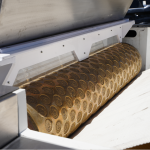
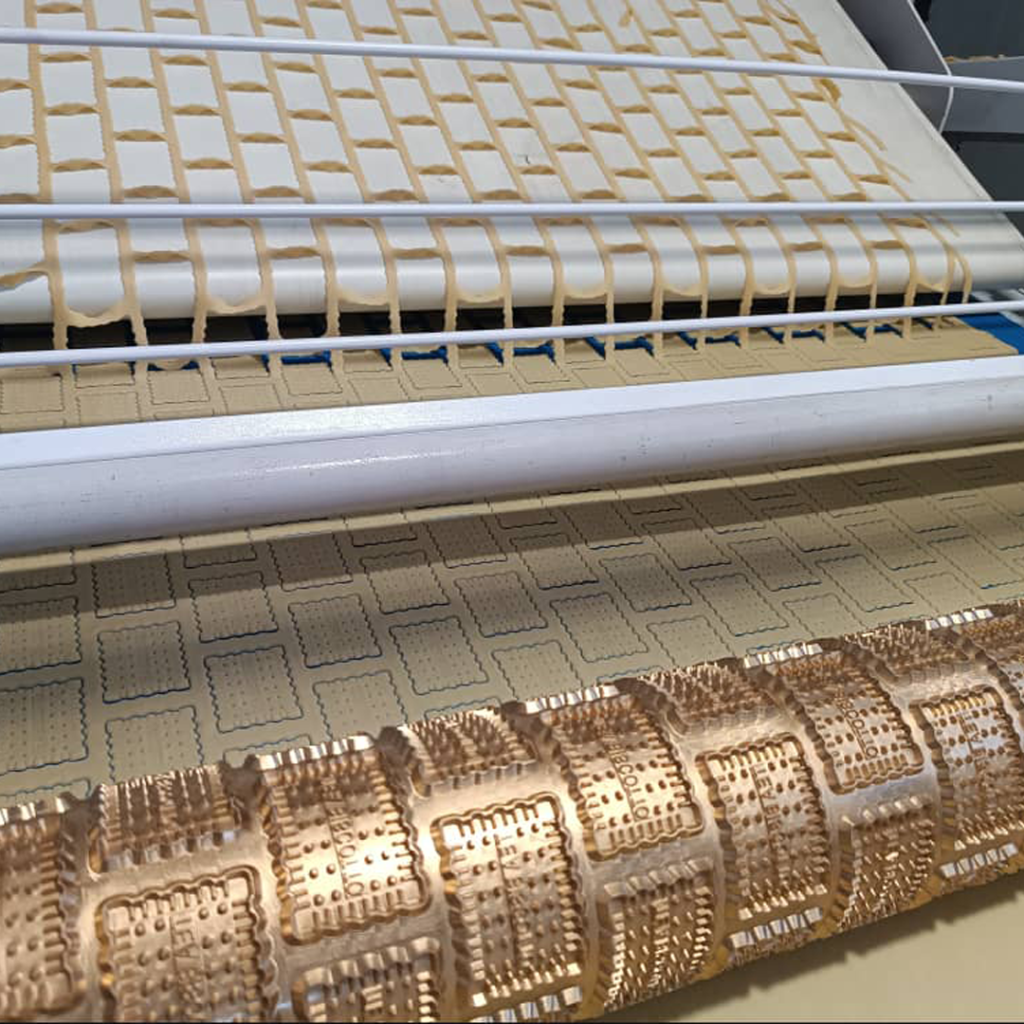
The most critical component of the machine. The biscuit design is engraved as negative cavities on its surface. These rollers are typically manufactured from bronze or specialized alloys.
3. Scraper Blade
Usually made from spring stainless steel, this blade removes excess dough from the roller surface so that only dough inside the cavities remains. Proper adjustment determines biscuit weight accuracy.
4. Extraction Roller
A rubber-coated roller that presses the conveyor belt against the moulding roller. Due to stronger adhesion between the dough and the conveyor, biscuits are released from the mould and deposited onto the belt.
Types of Biscuit Printing Technologies
Rotary Printing
In this method, the pattern is permanently engraved on the moulding roller. It is the most common technology in high-speed production lines and provides excellent detail reproduction for logos and decorative designs.
Wire-Cut Technology
Used for cookies containing chocolate chips, nuts, or inclusions. The dough is shaped and cut with a wire. Although traditional printing is not involved, product forming is achieved through this method.
Importance of Moulds in Product Quality
Moulds are the heart of the biscuit printing process. Their material and design influence product release and design clarity.
- Bronze Moulds: Traditional and highly durable.
- PTFE-Coated Moulds: Ideal for sticky doughs, ensuring smooth product release.
- Plastic Insert Moulds: Modern systems use interchangeable inserts, allowing faster and more economical design changes.
Features of a High-Quality Industrial Moulding Machine
When selecting a biscuit moulding machine, consider the following:
- Independent motor drives for each roller.
- Pneumatic pressure adjustment for the extraction roller.
- Quick-change mould systems with changeover times under 30 minutes.
- Hygienic stainless-steel construction using AISI 304 stainless steel and FDA-approved materials.
Common Moulding Problems and Solutions
Dough Sticking to the Mould
Cause: High dough temperature or dirty moulds.
Solution: Use mould cooling systems and perform regular cleaning.
Inconsistent Biscuit Weight
Cause: Incorrect scraper adjustment or feeding roller pressure.
Solution: Calibrate scraper settings and maintain a constant dough level in the hopper.
Distorted Printed Designs
Cause: Mismatch between conveyor speed and roller rotation speed.
Solution: Synchronize speeds using PLC controls and optical sensors.
The Role of Automation and PLC Systems
Modern moulding machines are equipped with touchscreen HMIs that allow operators to store product recipes. Selecting a product automatically adjusts roller speeds, scraper positions, and pressure settings, minimizing human error and ensuring consistent production.
Factors Affecting Biscuit Moulding Machine Prices
Machine cost depends on several factors:
- Working width (800 mm, 1000 mm, 1200 mm, etc.).
- Number of rollers and feeding stages.
- Advanced features such as online weight control and automatic cleaning systems.
- Country of manufacture, with European machines generally commanding higher prices than Chinese or Iranian alternatives.
Conclusion
The biscuit moulding machine represents the perfect combination of artistic design and precision engineering. Choosing the right machine and moulding system ensures attractive product appearance, uniform weight, reduced waste, and improved production efficiency. For manufacturers seeking biscuits with sharp printing, consistent quality, and excellent texture, investing in a high-quality rotary moulder is essential.





Reviews
Clear filtersThere are no reviews yet.