Biscuit Production Line Cutter Machine: The Core Technology Behind Hard Biscuit Manufacturing
In the vast world of the food industry, biscuit production is divided into two main categories: soft biscuits and hard biscuits. While soft biscuits are formed using molding machines, all hard biscuits (such as Golden Stem biscuits, Marie biscuits, hard Petit Beurre biscuits, and various crackers) owe their existence to a machine known as the biscuit production line cutter machine.
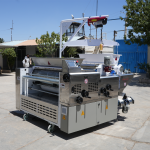
This machine, commonly referred to as a Rotary Cutter, is responsible for precisely cutting the sheeted dough and imprinting the desired patterns onto its surface. In this article, we take an in-depth look at cutting technology, different cutter types, and their critical role in industrial automation.
What Is a Biscuit Cutter Machine and How Does It Work?
Unlike the molding process, where dough is pressed into cavities, the cutter method first converts the dough into a continuous sheet using sheeting machines. This dough sheet passes beneath cutting rollers and is divided into uniform pieces.
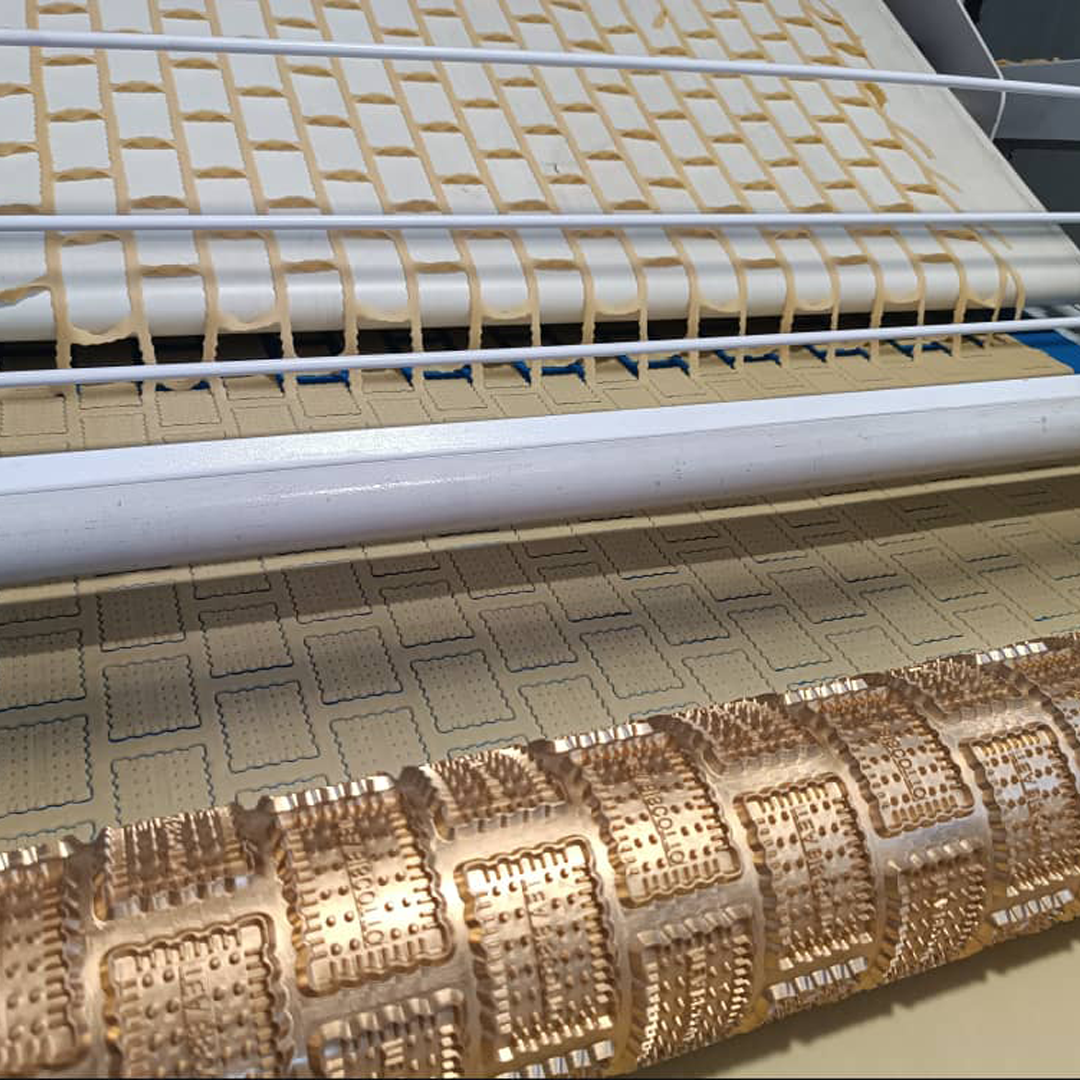
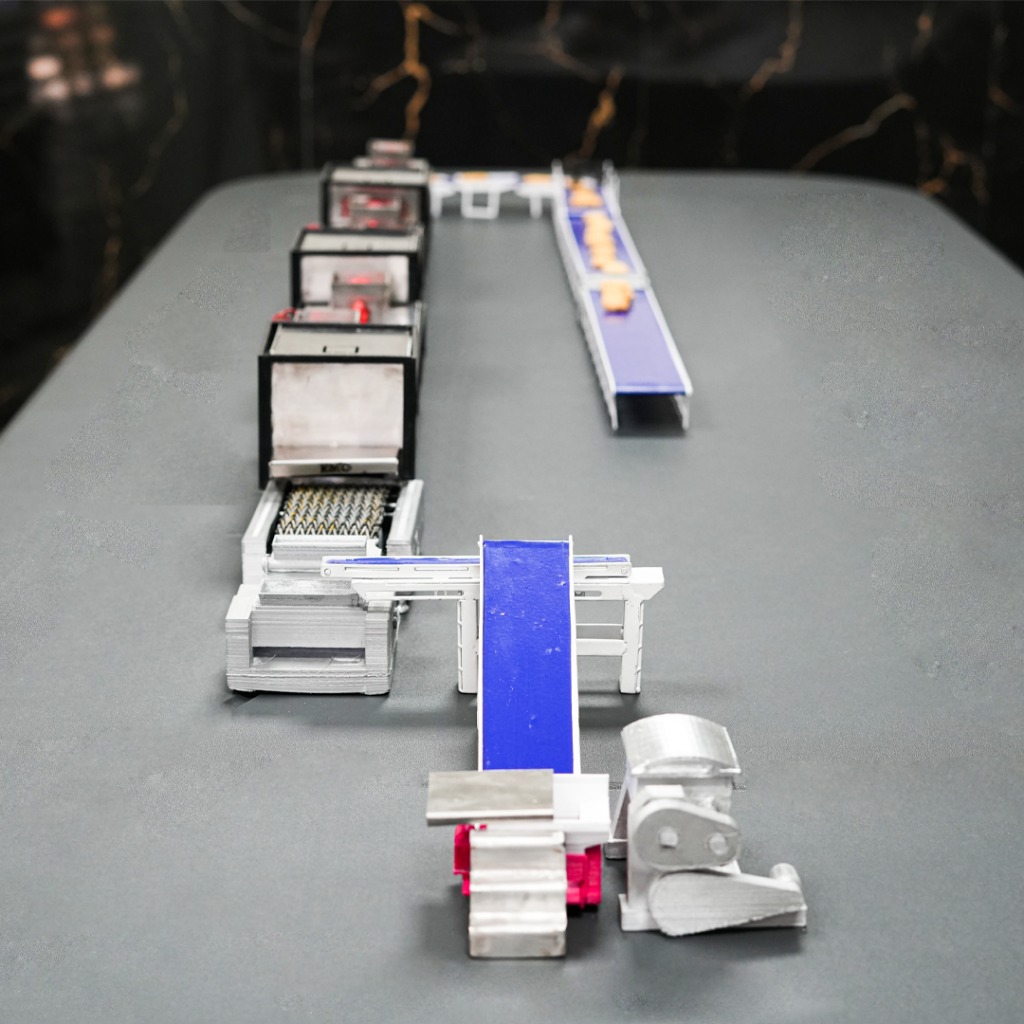
The cutter machine is typically located at the end of the forming section and before the baking oven. The cutting process includes trimming the biscuit outline, creating docking holes for ventilation, and embossing brand names or decorative designs onto the biscuit surface.
The Critical Difference Between Rotary Cutters and Rotary Molders
To select the right equipment, it is important to understand that cutter machines are designed for high-gluten and elastic doughs.
* Molding Machine: Forms the dough without generating waste.
* Cutter Machine: Cuts the dough, producing a scrap web that is recycled back into the production process.
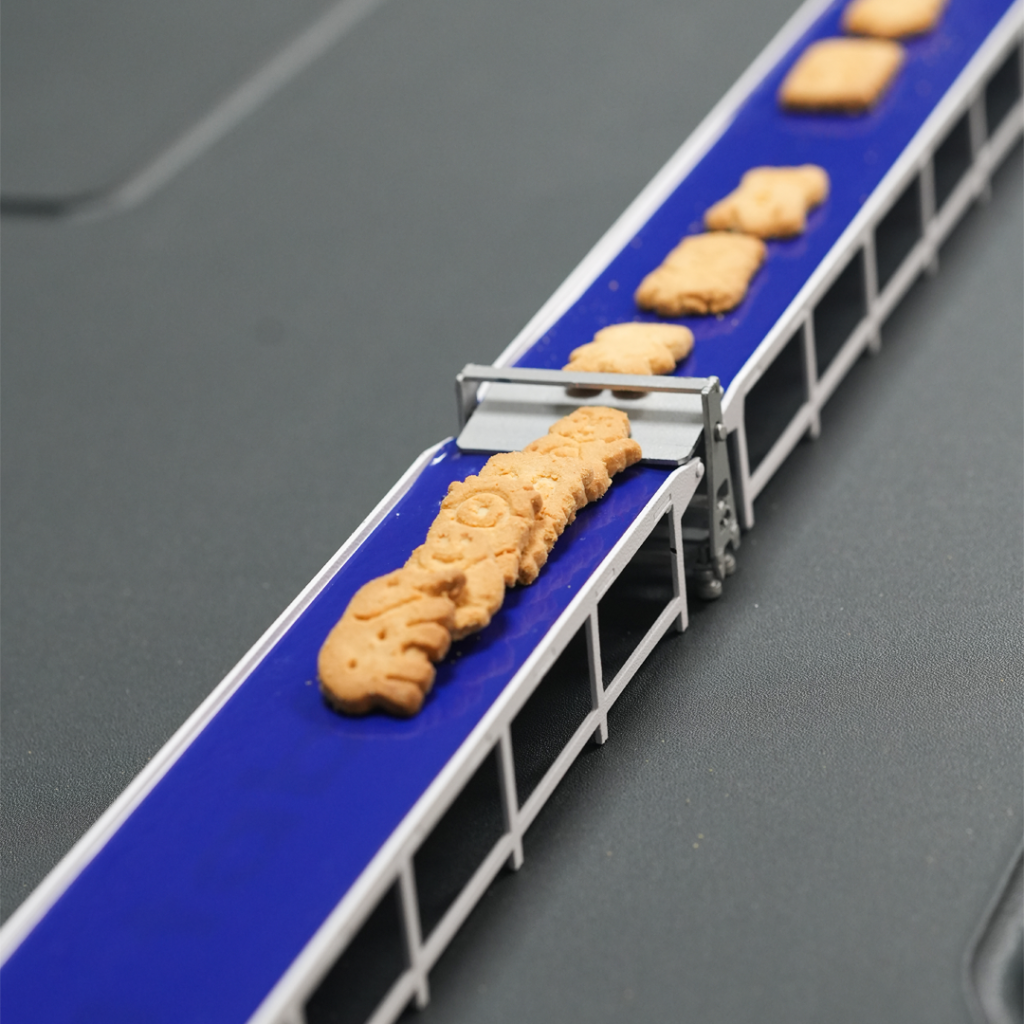
Biscuits produced using cutter technology generally have a crispier, layered, and drier texture, making them ideal for products such as salted crackers.
Main Components of a Biscuit Cutter Machine
1. Gauging Rollers
Before reaching the cutter blade, the dough passes through two or three pairs of gauging rollers to ensure a perfectly uniform thickness. Variations in dough thickness can lead to inconsistent product weight and uneven baking.
2. Cutting Roller
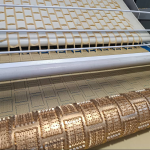
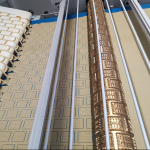
This roller contains bronze or plastic cutting blades that trim the biscuit shape. Advanced production lines feature quick-change rollers, allowing manufacturers to switch between different product designs efficiently.
3. Scrap Return System
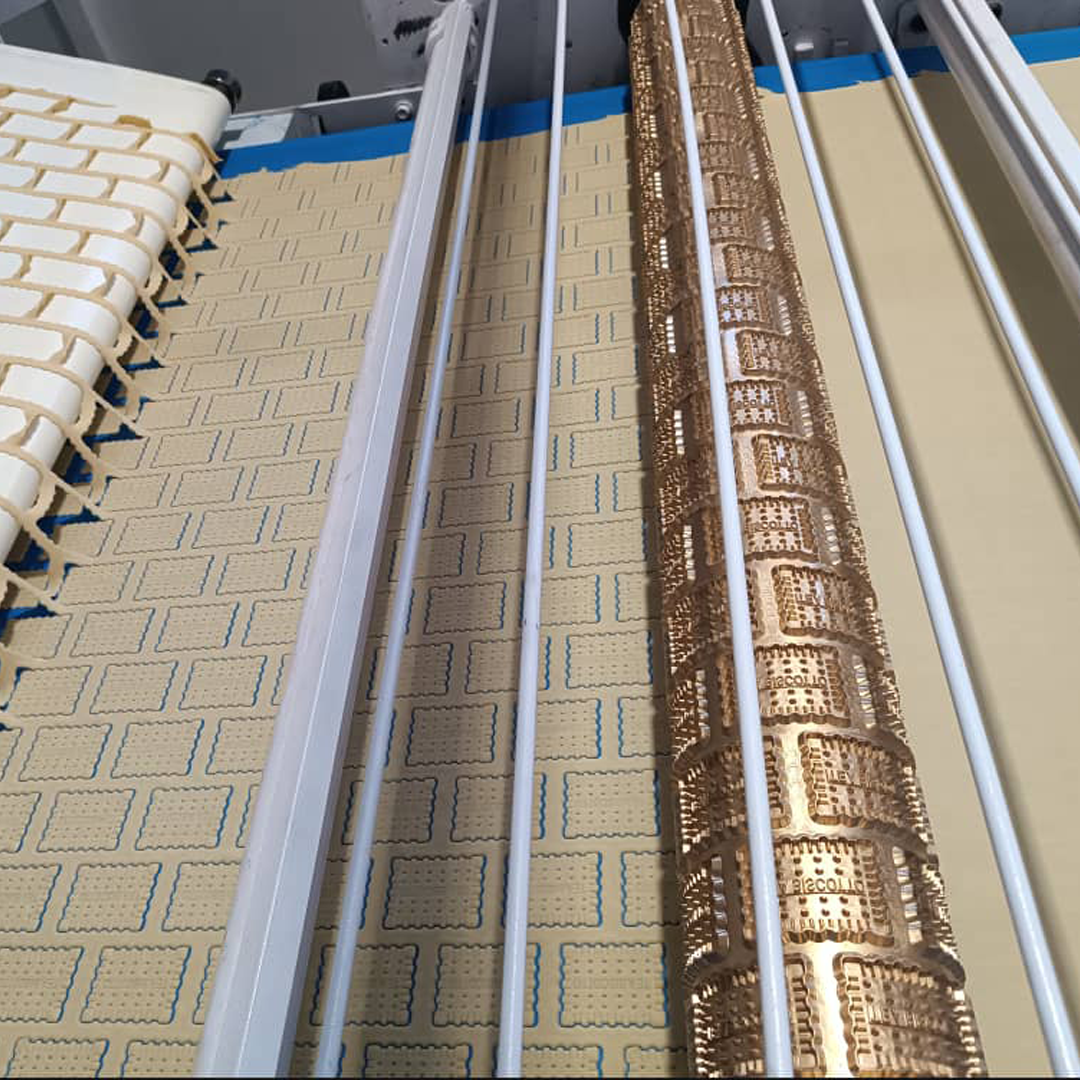
One of the unique features of cutter machines is the dough scrap return conveyor. After cutting, the remaining lattice dough is separated from the products and transported back to the sheeter, ensuring virtually zero material waste.
Types of Biscuit Cutter Machines
Single-Roll Rotary Cutter
In this design, cutting and embossing are performed simultaneously by a single roller. It is suitable for simple biscuit designs and medium-speed production lines.
Double-Roll Rotary Cutter
High-speed production lines use two separate rollers. The first roller performs embossing and docking operations, while the second roller cuts the biscuit outline. This separation improves accuracy and extends blade life.
Reciprocating Cutters
These older systems cut dough using a vertical back-and-forth motion. Due to their lower production speed, they have largely been replaced by rotary cutting systems in modern manufacturing facilities.
Technical Features and Purchasing Standards
When purchasing or upgrading a production line, consider the following checklist:
* Synchronization System: The cutter must use precise sensors to synchronize with the oven conveyor speed. Any excessive tension or compression may deform the biscuits.
* Blade Material: Bronze blades with Teflon coating are recommended to prevent dough adhesion.
* Pneumatic Control: Roller pressure should be adjusted pneumatically to ensure uniform pressure across the conveyor width.
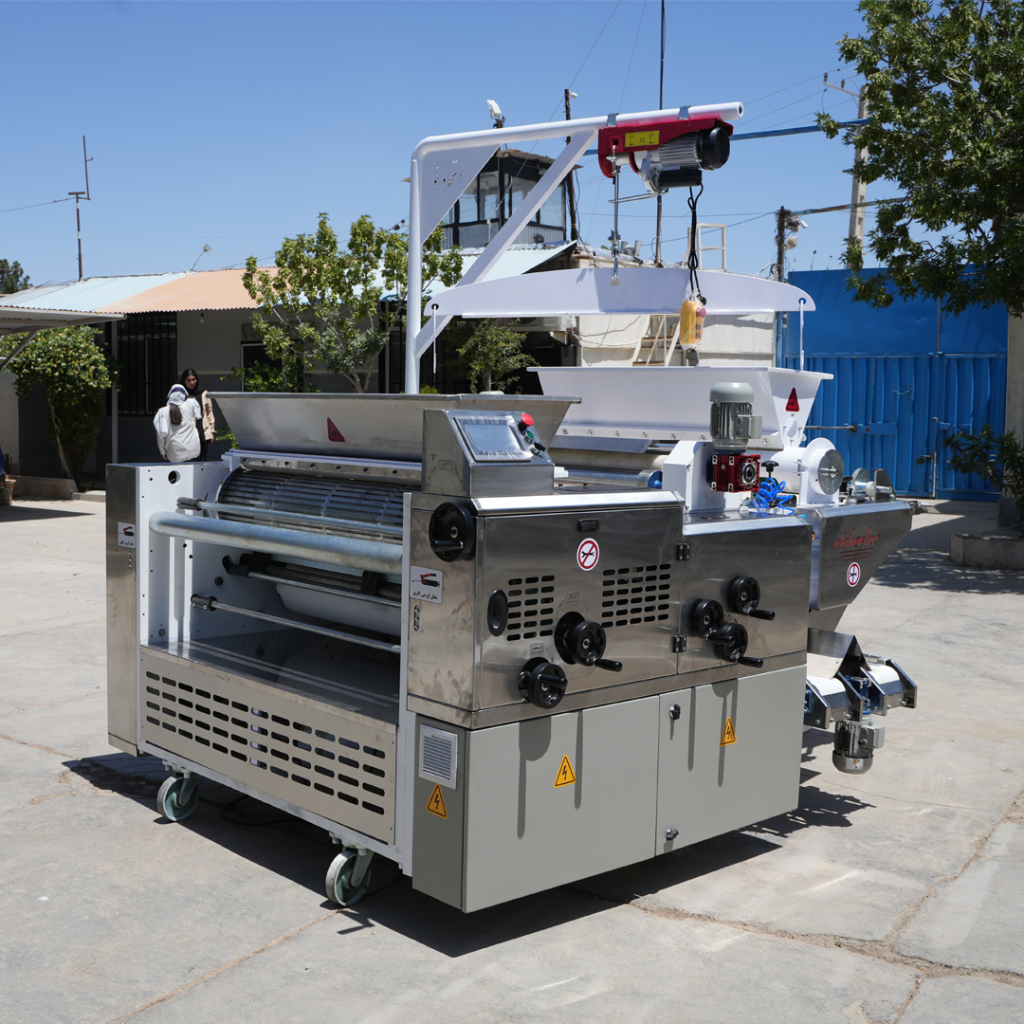
* Washability: The machine body should be constructed from stainless steel 304, with all motors protected by suitable covers.
The Role of PLC Systems in Cutter Management
In modern biscuit cutter machines, PLC systems play a crucial role. Through a touchscreen interface, operators can:
* Adjust cutting length.
* Control scrap return speed to prevent dough web tearing.
* Monitor roller pressure digitally.
Maintenance and Repair of Industrial Cutters
Because cutter blades are in continuous contact with dough and subjected to constant friction, maintenance is essential.
Blade Sharpening
Dull blades create rough and uneven biscuit edges.
Inspection of the Cutting Web Conveyor
The conveyor, typically made from special cotton or polyester materials, must remain free from wear and fraying to prevent contamination.
Lubrication of Power Transmission Systems
Chains and gears should be lubricated using food-grade lubricants to ensure reliable operation.
Factors Affecting Biscuit Cutter Machine Prices
Several factors influence the cost of a cutter machine:
* Dough Width: Machines with widths of 1000 mm or 1200 mm are generally more expensive.
* Number of Cutter Rollers: Double-roll models cost more than single-roll versions.
* Motor Technology: Servo motors significantly increase precision and machine cost.
* Automatic Separation Systems: Equipment capable of identifying and removing damaged dough pieces automatically commands a higher price.
Conclusion
The biscuit production line cutter machine is the driving force behind the manufacture of crispy and layered biscuit products. Choosing a precisely engineered cutter not only ensures product consistency and appearance but also maximizes production efficiency through optimized dough recycling. For manufacturers seeking export-quality biscuits, the cutting section is not an area where unreasonable cost-cutting should be considered.





Reviews
Clear filtersThere are no reviews yet.